Nature · 4 min read
Staying on the lake, close to nature
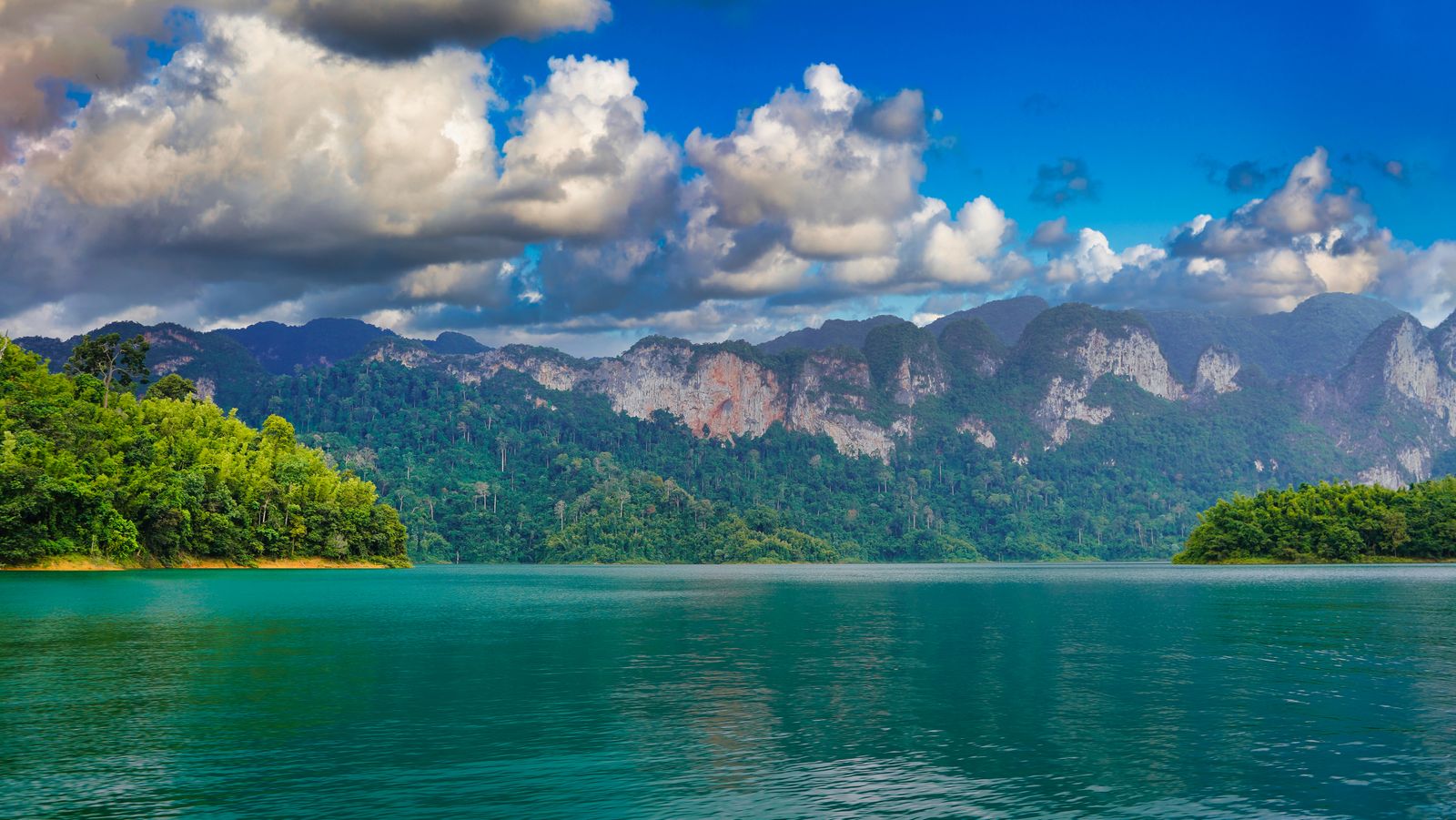
What to expect from floating accommodation and how to share the lake thoughtfully.
A different kind of stay
Floating accommodation puts the water just outside your door, but it is not the same as a hotel on a town street. Rooms, bathrooms, electricity and mobile reception vary between properties.
Ask about shared or private facilities, charging arrangements and access needs before booking. Photos show a setting, not every practical detail of a room.
Notice without disturbing
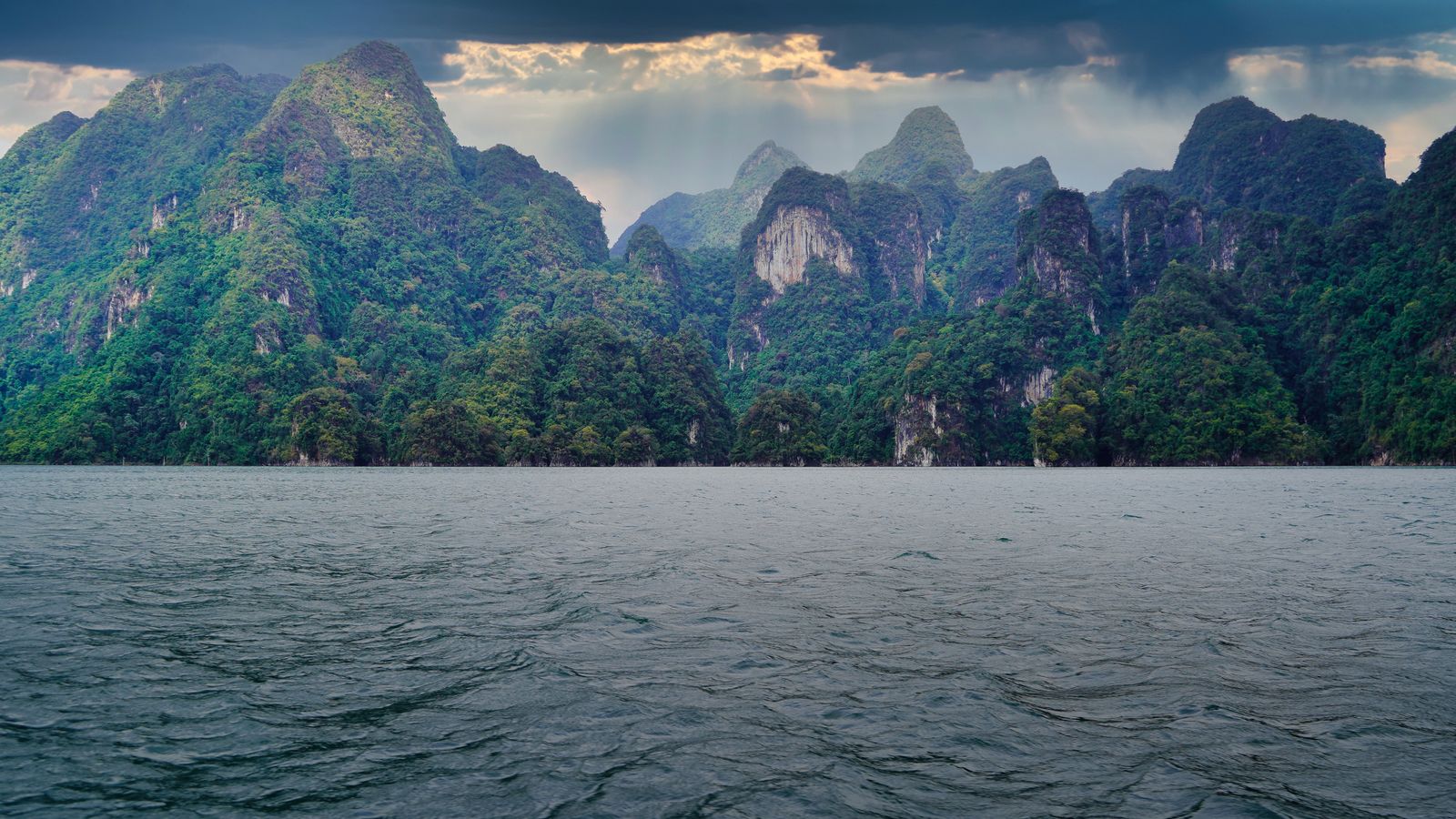
Quiet periods are an opportunity to watch changing light and listen to the forest. Wildlife sightings are never guaranteed; distance, patience and low voices are better than trying to attract an animal.
Do not feed wildlife or leave food unattended. Use binoculars or a camera zoom instead of approaching animals, and follow the guide’s instructions on shore.
Treat water with respect
The lake is deep and conditions can change. Swim only where and when the operator permits, use the required flotation equipment and never assume a calm surface means there is no risk.
Take care on wet decks and keep children closely supervised. Ask staff how to get help before going into the water or joining a paddling activity.
Leave a lighter footprint
Remote accommodation has limited resources and waste must be moved away from the lake. Use water and electricity thoughtfully, bring a refillable bottle where refills are provided and take personal rubbish back with you.
Keep music low, avoid unnecessary lighting and let evenings be quiet. A slower stay is a chance to enjoy the landscape without asking it to behave like a city resort.